The Sunflower's Ancient American Roots: A Symbol of Resilience
Before embarking on its transatlantic journey, the sunflower, scientifically known as *Helianthus annuus*, was a deeply ingrained part of life across the Americas. Far from being a mere decorative bloom, this striking plant held immense cultural, nutritional, and medicinal significance for indigenous peoples for millennia. Its origins trace back to North America, particularly regions spanning the present-day Rocky Mountains of the United States, as well as parts of Mexico and Peru, where various species of *Helianthus* thrived.
Archaeological evidence suggests that sunflowers were domesticated in North America as early as 3000 BCE, predating corn domestication in some areas. Native American communities cultivated sunflowers for a multitude of purposes. The seeds were a vital food source, ground into flour for bread and cakes, or simply eaten roasted. Rich in oils, proteins, and essential nutrients, they provided sustained energy, especially important during lean seasons. Beyond sustenance, the plant's utility was extensive:
- Oil Production: The seeds were pressed to extract oil, used in cooking, as a skin and hair conditioner, and even for ceremonial purposes.
- Dye: Petals provided a vibrant yellow dye for textiles and body paint.
- Medicine: Various parts of the plant were utilized in traditional medicine to treat ailments ranging from snakebites to chest pains.
- Construction: Stems were sometimes used as building materials.
- Ceremonial Significance: The sunflower’s striking appearance, always turning towards the sun, imbued it with spiritual meaning, often symbolizing fertility, life, and worship of the sun god.
This rich heritage underscores that the sunflower was not just a wild botanical curiosity but a cornerstone of ancient American civilizations, a testament to its profound value long before European contact.
The Transatlantic Crossing: Spanish Seafarers as Botanical Pioneers
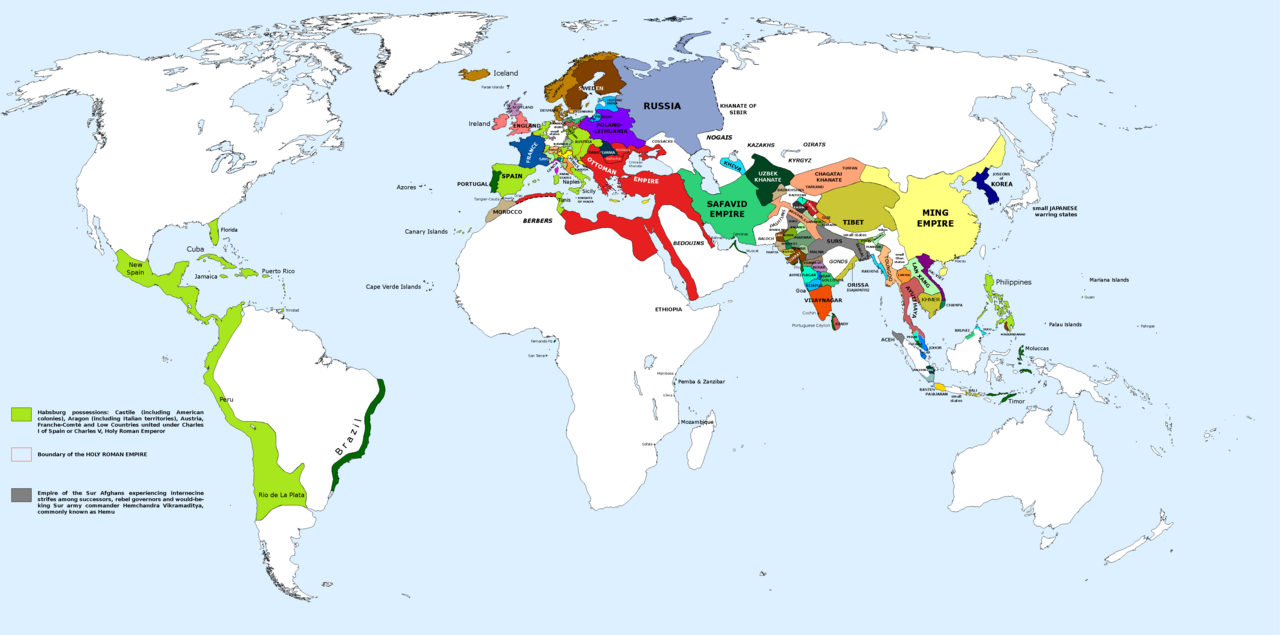
The 16th century marked a pivotal era of global exploration, often referred to as the Columbian Exchange, where continents previously separated by vast oceans began to interchange flora, fauna, and cultures. It was during this period that the answer to the intriguing question—
Was stammt ursprünglich aus Amerika und gelangte im 16 Jahrhundert durch spanische Seefahrer nach Europa? (What originally came from America and was brought to Europe in the 16th century by Spanish seafarers?)—revealed itself as the magnificent sunflower.
Spanish explorers and navigators, driven by a mix of curiosity, economic ambition, and a desire to document new discoveries, encountered the sunflower in its native lands. Unlike the popular narratives focusing on gold and spices, these seafarers also played an inadvertent, yet crucial, role in botanical exchange. They collected seeds and specimens of unfamiliar plants, bringing them back to the European continent. The sunflower, with its commanding height and radiant bloom, undoubtedly caught their attention.
The journey across the Atlantic was perilous, but the hardy sunflower seeds survived, marking the beginning of its European chapter. Initially, the plant was introduced primarily as an ornamental curiosity. It captivated botanists and gardeners in royal courts and private estates, valued for its striking beauty and exotic origins. It was a symbol of the 'New World,' a living testament to the wonders brought back by those daring voyages. For more on the pivotal role of these expeditions, you can read about
Spanish Seafarers: Bringing Sunflowers to Europe in the 1500s. This introduction in the 16th century laid the groundwork for the sunflower's eventual transformation from a garden novelty to a global agricultural powerhouse.
From European Gardens to Global Fields: The Sunflower's Evolution
The sunflower's initial reception in Europe was largely one of aesthetic appreciation. For generations after its 16th-century arrival, it was a garden showpiece, admired for its towering stature and bright, cheerful blossoms that faithfully tracked the sun's path. It adorned botanical gardens, aristocratic estates, and even inspired artists, becoming a symbol of summer and vitality.
However, its true economic potential remained largely untapped for several centuries. It wasn't until the 18th century, particularly in Russia, that the plant began its transformation into an agricultural staple. Russian farmers and scientists recognized the immense value of sunflower seeds for oil extraction. Through selective breeding, they developed varieties with higher oil content and improved yields, paving the way for the sunflower oil industry we know today.
Today, the sunflower is a globally significant crop, cultivated across vast expanses of land. Its uses extend far beyond simple ornamentation:
- Cooking Oil: Sunflower oil is one of the most widely consumed vegetable oils worldwide, prized for its light flavor and health benefits.
- Snacks: Roasted and salted sunflower seeds are a popular snack, rich in vitamins and minerals.
- Animal Feed: Sunflower meal, a byproduct of oil extraction, is a valuable protein source for livestock.
- Birdseed: A favorite among backyard birdwatchers, providing essential nutrition for wild birds.
- Biodiesel: Increasingly explored as a sustainable source for biofuel.
- Art and Aesthetics: Beyond its economic value, the sunflower continues to inspire, featuring prominently in art, literature, and garden design, bringing a touch of sun-kissed cheer wherever it grows.
Practical Tip: To truly appreciate the sunflower's journey, consider planting some in your own garden. Observing their growth from a small seed to a towering bloom, always turning towards the sun, offers a tangible connection to the plant's rich history and its ancient symbolism. They are relatively easy to grow and will provide a beautiful, historical touch to your outdoor space.
A Million-Dollar Question: The Sunflower's Pop Culture Moment
The sunflower's fascinating history recently gained a moment in the spotlight on a popular German quiz show, "Wer wird Millionär?" (the German version of "Who Wants to Be a Millionaire?"). The specific question, reflecting the core inquiry, was:
Was stammt ursprünglich aus Amerika und gelangte im 16 Jahrhundert durch spanische Seefahrer nach Europa? (What originally came from America and was brought to Europe in the 16th century by Spanish seafarers?).
The options presented to the contestant, Christian Evangelou, were:
- Sonnenblumen (Sunflowers)
- Maulwürfe (Moles)
- Rosskastanien (Horse Chestnuts)
- Stechmücken (Mosquitoes)
This question perfectly encapsulates the historical journey of the sunflower and highlights how specific historical knowledge can become a high-stakes challenge. The contestant, initially perplexed, utilized his lifelines, eventually narrowing down the choices to Sonnenblumen and Rosskastanien. Taking a significant risk, he chose
Sonnenblumen, and to his relief, it was the correct answer.
Host Günther Jauch further elucidated the correct response, explaining that there are approximately 60 species of sunflowers, primarily originating from the Rocky Mountains in the USA, and also found in Mexico and Peru. He reaffirmed that Spanish seafarers indeed transported this striking flower from America to Europe in the 16th century. This episode perfectly illustrated how a seemingly niche piece of historical botanical knowledge could be both challenging and immensely rewarding, cementing the sunflower's legacy in public consciousness. For a deeper dive into this specific TV moment, you might enjoy
Wer wird Millionär? Unraveling the Sunflower's European Debut.
Conclusion
The sunflower's remarkable journey from the ancient fields of America to its prominent place in European gardens and global agriculture is a testament to the enduring legacy of exploration and cultural exchange. What began as a vital resource for indigenous communities and a captivating curiosity for Spanish seafarers in the 16th century has blossomed into an indispensable crop, enriching economies and delighting eyes worldwide. This tale, highlighted by a million-dollar quiz question, serves as a vivid reminder of how interconnected our world truly is, where a single seed can bridge continents and centuries, forever changing landscapes and livelihoods. So, the next time you admire a vibrant sunflower or enjoy its nutritious seeds, remember its incredible transatlantic voyage, a true symbol of resilience and global connection.